
Extra Credit
When gaming the system becomes the curriculum

When the Ramp Becomes a Shortcut
Before I go anywhere, I ask a simple question:
Are there steps?
Not metaphorical ones. Actual steps. At the entrance. On the stage. Between the parking lot and wherever I’m supposed to be.
If there are three steps up and no ramp, the rest of the plan doesn’t matter.
A recent series of articles here and here about Stanford and other elite schools caught my attention. Nearly 40% of undergraduates are reportedly registered with a disability, which can mean single dorm rooms, extra time on exams, and flexibility with requirements. The prevailing attitude is that if you’re not using the accommodation system, you’re at a disadvantage.

Really?
Because I rely on that system.
Not to get ahead. Not to optimize. Not as leverage.
As reality.
When I travel, I need to know there’s an accessible bathroom. And not just technically accessible — actually usable. I need parking that isn’t an afterthought. I need to confirm there isn’t a step at the entrance that someone forgot to mention. I’ve learned not to assume.
Those aren’t perks.
They’re infrastructure.
And infrastructure only works when people treat it with respect.
I understand incentives. I spent decades in markets. If a structure creates an edge, people respond. That’s not immoral; it’s predictable. At Stanford, where everyone competes at a high level, a 30-minute Zoom call that secures better housing or a GPA bump feels like common sense.
The students are responding to the system in front of them. But here’s what doesn’t show up in the calculus.
When accommodation becomes a tactic rather than a necessity, it chips away at trust. Death by a thousand cuts. No single request collapses the structure. It’s the accumulation. The normalization. The shrug.
You see it in small ways. The car parked in the striped access zone because someone will “just be a minute.” The traveler who slips into the larger airport stall because it’s more comfortable, while I’m standing there watching the clock, knowing I have to use it at the last possible moment because I can’t use the bathroom on the plane.
Each moment feels minor. Victimless.
Most disabilities aren’t visible. I have no interest in policing who deserves support. Life is complicated. Bodies are, too.
But accessibility isn’t a life hack.
There’s that old line about walking a mile in someone else’s shoes. In my case, that mile includes scanning for curb cuts in the rain, checking whether a bathroom door opens inward or outward, and deciding whether I have the energy to ask for help or should power through.
I don’t want the accommodations. I want the body that makes them unnecessary.
It isn’t just Stanford gaming the system. At Brown and Harvard, more than 20% of students identify as disabled. At community colleges? Three or four percent. The numbers tell you something about incentives.
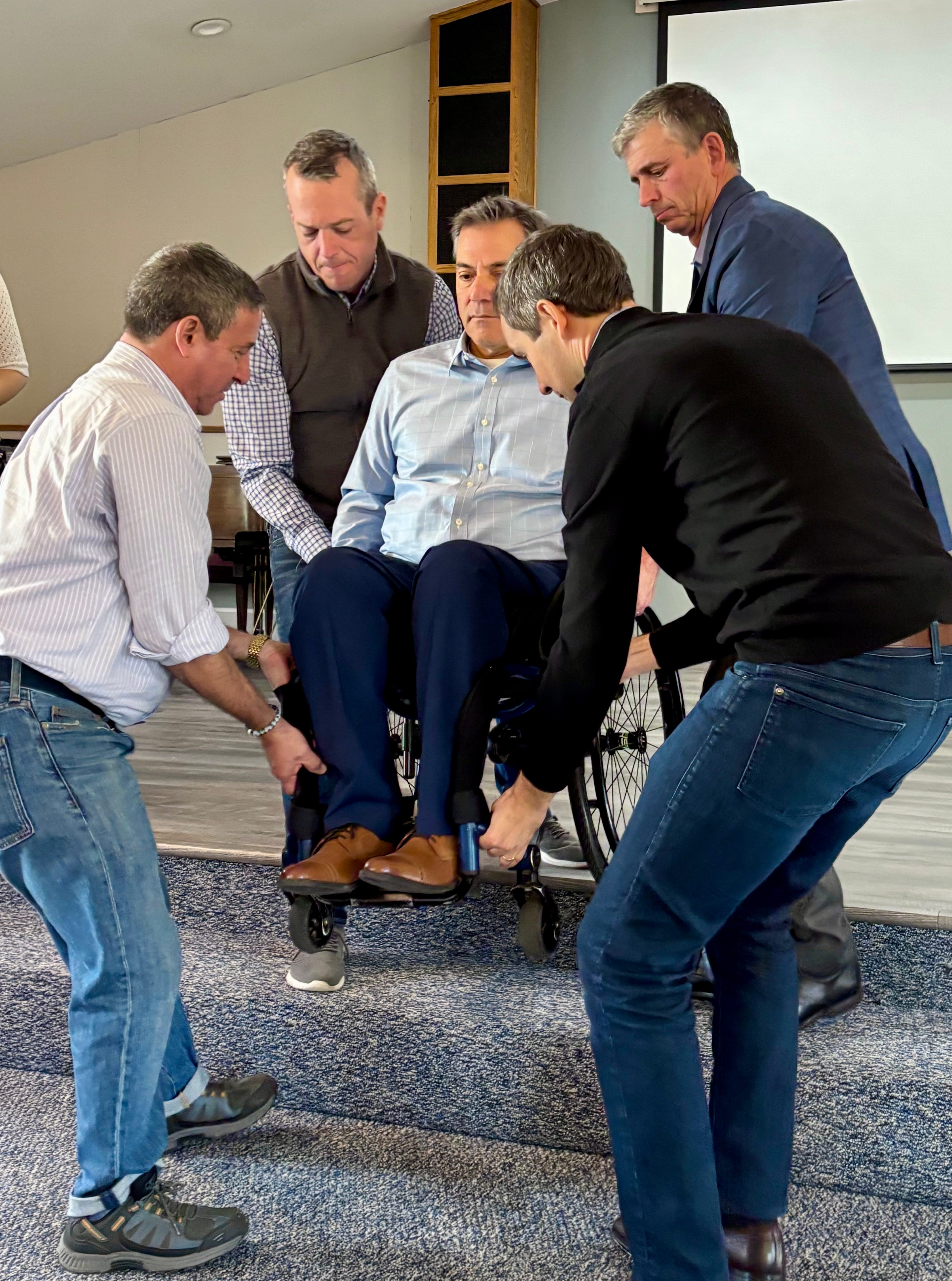
And this isn’t only about universities. It’s a snapshot of something bigger — a culture that quietly tells us all’s fair in love, war, and getting ahead.
But we lose something in the process.
When we treat support systems built for vulnerability as just another edge to exploit, trust thins. Empathy hardens. The structure grows more rigid. And the people who truly depend on it feel that tightening first.
I don’t have a sweeping solution. I’m not interested in outrage.
I just know this:
“Accommodation” doesn’t mean advantage.
It means access.
That difference isn’t academic.
It changes the course of a life.
Thanks Ron for another thought-provoking article
As the parent of a child who had an IEP from 5th grade through the end of high school, and who struggled with his whole heart and soul to get through school, this entitled "gaming" attitude makes my blood boil. What ever happened to pride in achievement and courage?