
Cracks in the Wall
Is it time to rewire hope as flickers of SCI progress give me something to stand on.

For 14 years, I’ve had to make a choice about hope.
Every time a headline promises a "breakthrough" or a "cure" for a spinal cord injury, a part of me wants to lean in. To get excited. To believe that something is finally on the horizon.
But another part of me, the one that has lived this life for over a decade, instantly puts up a wall. It’s a self-defense mechanism to keep from getting excited about a promise that might crumble.
At Kessler Rehab, Dr. Kirshblum, said: “Don’t focus on the cure. Go out there and live your life, and when the cure comes, you’ll know about it.”
And that’s what I’ve done.
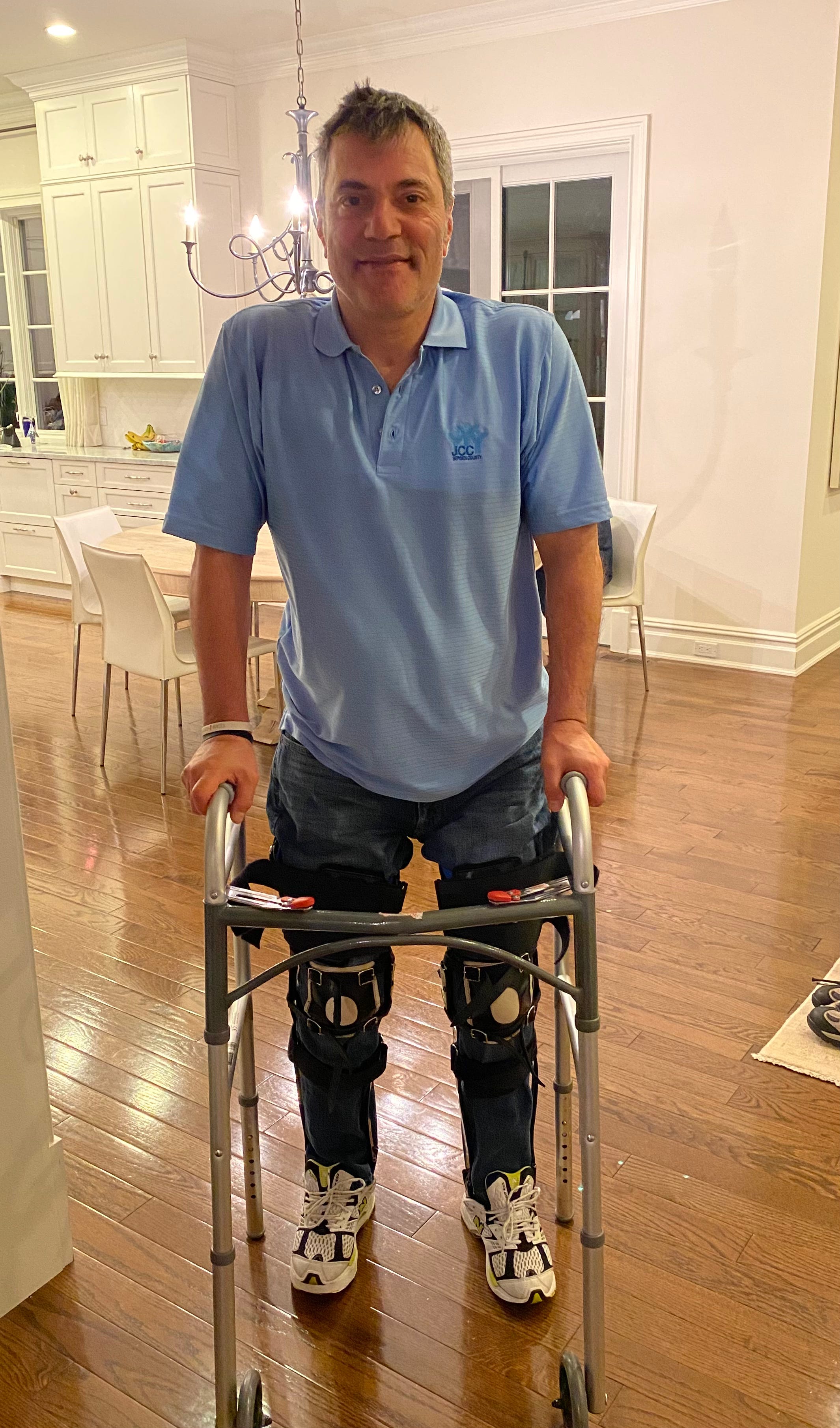
I’ve rebuilt a life. A business. A family. I’ve become a speaker and a para-athlete, and have found new ways to be a dad, trading some of the old roles I can’t do for new ones I can. I’ve deliberately pushed away the thought of "what if," because the last thing I needed was more hope that could turn into heartache.
The government’s decision to cut the entire $40 million Spinal Cord Injury Research Program (SCIRP) from the 2025 budget felt like a gut punch. This cut will inevitably delay crucial research. It’s a reminder that progress isn’t guaranteed; it’s something you have to fight for, and sometimes, the very people in charge of funding it turn their backs.
But then, this week, my wall started to crack.
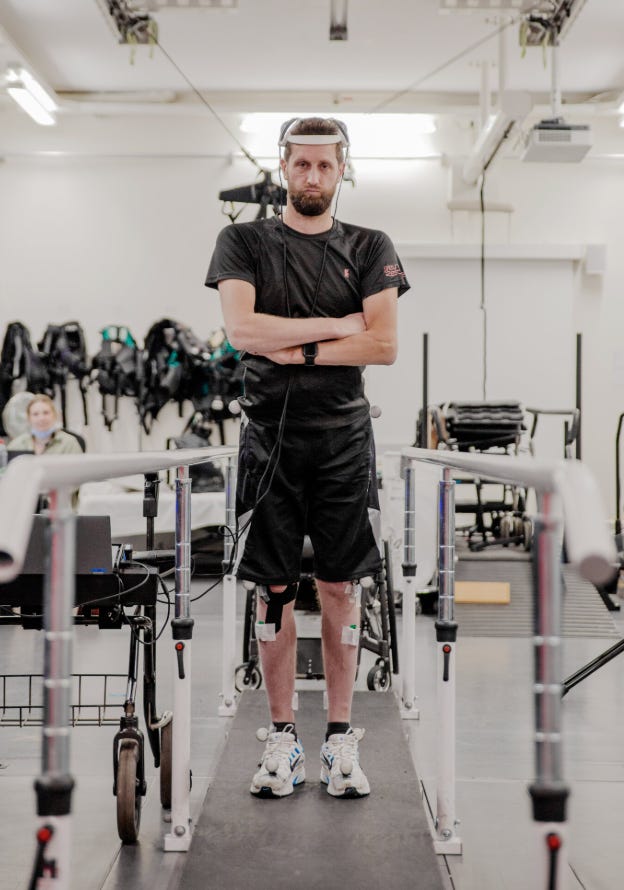
Amid the disappointment, I’ve been reading about incredible new research. A team from Tel Aviv University is gearing up for a world-first surgery to implant a new, lab-grown personalized spinal cord in eight patients. ONWARD just received a green light from the FDA to begin human trials on its new implantable device for blood pressure instability. And in a new trial, a drug from NervGen Pharma is showing positive results in helping the brain and hand muscles reconnect.
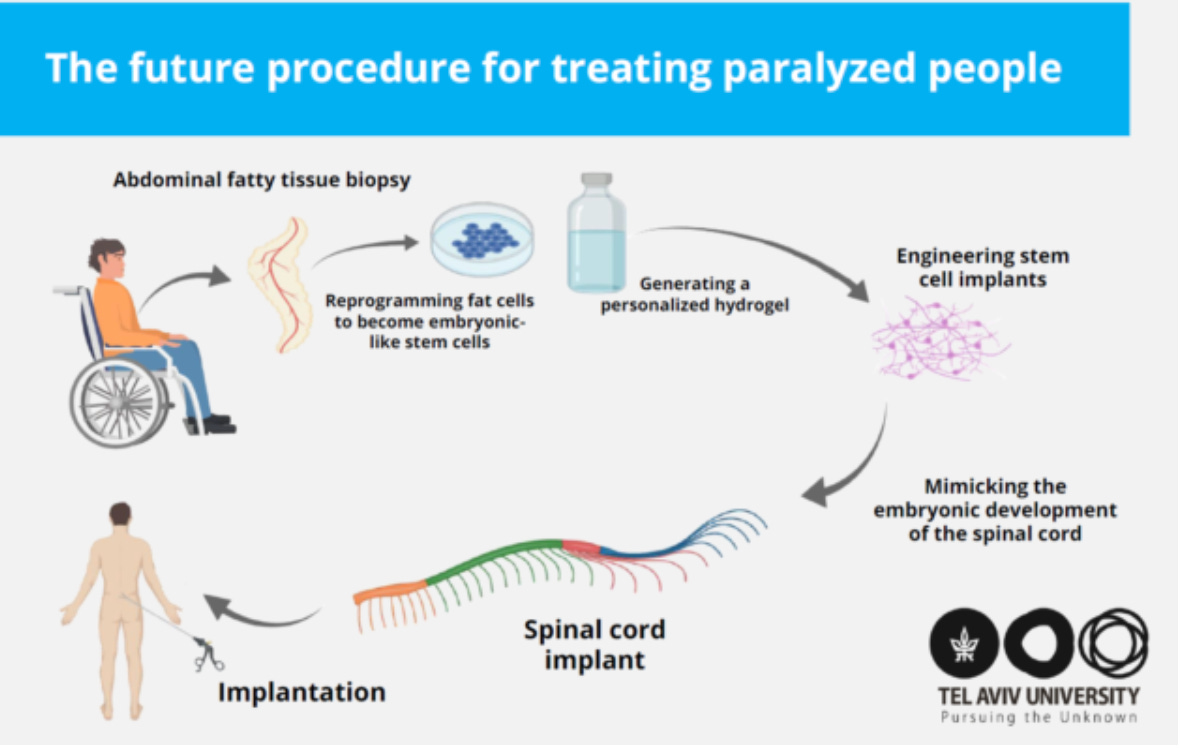
To the outside world, these sound like miracles. To me, they feel like a new kind of conflict.
On one hand, I’m excited about the sheer possibility of it all. This isn't science fiction. This is real science, and the progress is remarkable. It’s the private sector picking up the slack, and that's something to celebrate.
But the part of me that’s lived in this reality for so long also knows the score. Any major breakthrough will be directed first at acute patients, those injured within the past year. My injury, a chronic, lower-level one, is more complex. I know I’ll be at the end of the line when and if a significant breakthrough comes.
So, how am I supposed to feel?
Should I give in to the "what if," knowing I might be setting myself up for disappointment? Or should I keep my guard up, even if it means missing out on the joy of progress that could bring real change for others first?
I think I need to do both.
The hope isn’t for a sudden miracle. It’s for a small, incremental victory. It’s for a new path.
I’m starting to believe that I can let myself feel that spark of excitement. I can be happy for the scientists, for the people who will be helped, and for the promise that this research might one day lead to something that could improve my quality of life, too.
This isn’t about denying the reality of my life. It’s about choosing to believe that something good is always possible. As Andy Dufresne said in The Shawshank Redemption, a line that I’ve always leaned on:
“Hope is a good thing, maybe the best of things. And no good thing ever dies.”
I still believe in living in the now. But now, I’m also choosing to believe in what’s possible.
I'm ready to feel a little more hopeful again. And I’m not going to be ashamed of it.
We all have some hope that we’ve had to put away to protect ourselves? Are you ready to bring it out again?
I couldn't even wait to finish reading Ron's piece. I stopped midway to send the following message to my Republican Congressman Mike Lawler:
Dear Congressman Lawler:
The majority of Spinal Cord Injury research in America was recently cancelled by sweeping cuts in the Republicans 2025 Big Beautiful Bill that you voted for.
I am an adaptive sports coach in Rockland County. Three of my athletes have SCI. I have worked with several of them for over ten years.
I am appalled that you and your party define spending on their future welfare as "fraud, waste and abuse." Is that how you see people in wheelchairs? Is their welfare government bloat? or "a waste of money?" What's next? Rolling back the entire ADA act?
If so, let's begin by removing all the wheelchair ramps, handicap parking, bathrooms, and curb cuts from the Texas state capital and governor's residence, where SCI wheelchair user and Republican Governor Greg Abbott lives and benefits, just like everyone else, from government regulations that both you and he oppose.
Thank you Ron for your heartfelt, expressive, articulate writing.
And thank you, Greta -- Mike Lawler is my congressman too (unfortunately) and you've motivated me to write to him as well.